Introduction
Fleet operations today carry real risk — safety risk, financial risk, and brand risk. One serious incident can trigger vehicle downtime, insurance claims, legal exposure, and customer fallout.
In 2022, the FMCSA recorded 5,476 fatal crashes involving large trucks and buses in the U.S. And in 2023, large-truck drivers experienced about 1.3 fatal crashes per 100 million miles driven. That risk hasn’t disappeared — which is why fleets are moving beyond basic cameras.
Modern AI dashcams are not just recorders. They combine HD video, GPS, vehicle data, and real-time AI to deliver evidence, behavior insights, and operational visibility.
If your fleet hasn’t adopted video telematics yet, you’re missing one of the easiest ways to reduce cost and prevent avoidable incidents.
Here are nine proven benefits fleets see when AI dashcams become part of daily operations.
1. Evidence & Liability Protection
The simplest value of dashcams is also the strongest: proof. When an incident happens, video eliminates guesswork and protects your drivers and your company.
A 2023 ATRI whitepaper found that driver-facing footage helped exonerate commercial drivers in nearly half of litigation cases and insurance claims where footage existed, reducing exposure to false or exaggerated liability.
When fleets can produce clear evidence quickly, disputes resolve faster, claim outcomes improve, and legal costs drop.
2. Reduce Crash Frequency Through Driver Monitoring & Coaching
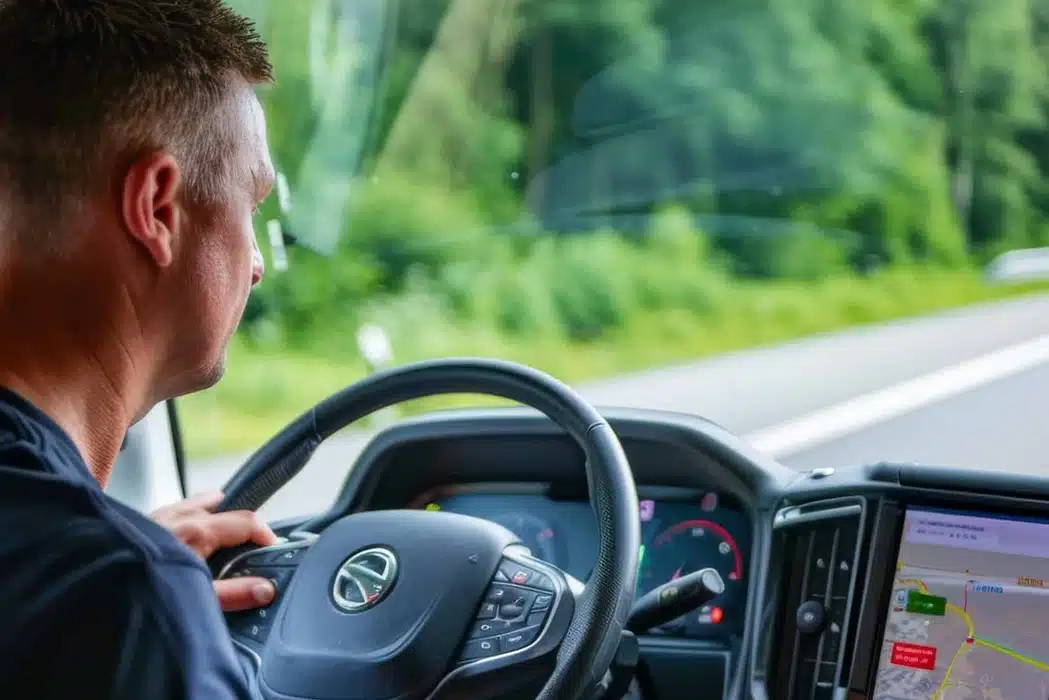
AI dashcams don’t just record mistakes — they flag risky behavior before it becomes a crash. Things like harsh braking, tailgating, lane drift, fatigue, and phone distraction can be detected and reviewed with context.
This makes coaching specific and fair. Drivers know what happened, managers know why it happened, and both can correct it. Better driving habits directly reduce crashes, claims, and replacement costs.
Multiple fleet case studies show large drops in claims frequency after introducing AI dashcams paired with coaching.
3. Lower Insurance & Claims Costs
Insurers care about risk they can measure. AI video telematics lets them measure it.
Dashcam footage has become a key tool for proving fault, stopping fraud, and speeding up claim resolution. Fleets with video evidence typically see fewer disputed claims and faster settlements.
When underwriters see consistent video-backed safety controls, fleets are often classified as lower-risk — which can translate into better insurance terms over time.
4. Asset Visibility & Trailer Theft Prevention
Fleets don’t just manage vehicles. They manage trailers, cargo, and non-powered assets — and those are often the easiest to lose track of.
When trailers sit in yards without visibility, theft risk rises, assets go idle, and temperature-sensitive cargo becomes vulnerable. A single stolen or spoiled trailer load can cost tens or hundreds of thousands.
AI dashcams paired with BLE sensors and asset tracking help close this gap by enabling:
- Door-open alerts
- Cargo temperature monitoring
- Yard-level locating of nearby trailers and assets
That means fewer blind spots, faster recovery, and better asset utilization.
5. Productivity & Utilisation Optimisation
Dashcams aren’t only about safety. When combined with telematics, they show where productivity leaks happen.
AI detection can highlight things like:
- Excessive idling
- Off-route driving
- Unsafe maneuvering that slows work
- Driver habits that cause missed stops or delays
This lets dispatch and ops teams optimize routes, reduce wasted time, and keep vehicles productive instead of sitting idle.
Even small reductions in idling and downtime add up quickly across a fleet.
6. Simplified Compliance & Regulatory Advantage
Regulations around driver hours, safety reporting, and video documentation (especially in passenger transport) are tightening globally.
Video telematics helps fleets stay compliant by creating a clean, time-stamped record of incidents, driving behavior, and safety events.
FMCSA defines a reportable crash as one involving a truck over 10,000 lbs or a bus designed to carry nine or more passengers. In those cases, dashcam evidence simplifies reporting, protects drivers, and reduces the burden of investigation.
Compliance becomes faster, clearer, and harder to dispute.
7. Lower Maintenance & Operational Costs
Unsafe driving doesn’t just cause crashes — it wears vehicles out faster. Harsh braking increases brake and tire replacement. Aggressive cornering stresses suspension. Constant idling accelerates engine wear.
Dashcam + telematics insights help fleets spot these patterns early and coach them out. Over time this means:
- fewer preventable maintenance events
- longer vehicle lifespan
- less unplanned downtime
- Smoother driving equals cheaper driving
8. Incident Investigation & Faster Recovery
After a serious crash, downtime becomes a chain reaction: vehicles off road, internal investigations, customer impact, claims drag, and reputation damage.
Dashcams cut that recovery time by delivering instant, reliable evidence.
FMCSA data shows that in 2022, about 73% of the first harmful events in fatal large-truck crashes involved a collision with another vehicle in transport. These multi-vehicle incidents are complex and hard to reconstruct without video.
Dashcam footage lets fleets establish facts quickly, settle claims faster, and get assets back in operation sooner.
9. Competitive Differentiation & Brand Reputation
Today, shippers, public agencies, and enterprise buyers don’t just prefer tech-enabled fleets — they require them. Video telematics now shows up in RFPs, insurer evaluations, and vendor scorecards.
When you deploy an integrated stack — AI cameras, asset tracking, indoor location visibility, and a unified fleet platform — you move from “meeting expectations” to outperforming competitors who only offer one piece.
That stronger operational profile improves win rates, retention, and insurer confidence.
Conclusion
Telematics adoption is accelerating, but the biggest advantage goes to fleets using video + AI + analytics together. Those fleets reduce claims drag, prevent avoidable incidents, improve driver performance, protect trailers and cargo, and keep vehicles working instead of waiting.
AI dashcams are no longer a “nice upgrade.” They are one of the most direct ways to improve safety, lower operating costs, and strengthen fleet performance in 2025–2026.
If your fleet wants fewer incidents, faster recovery, and tighter control of assets, video telematics is a practical ROI move — and the sooner it’s implemented, the sooner the savings compound.
Experience the power of ZenCAM Plus — AI-powered dashcams that reduce risks, lower costs, and improve fleet performance.